
 By localnew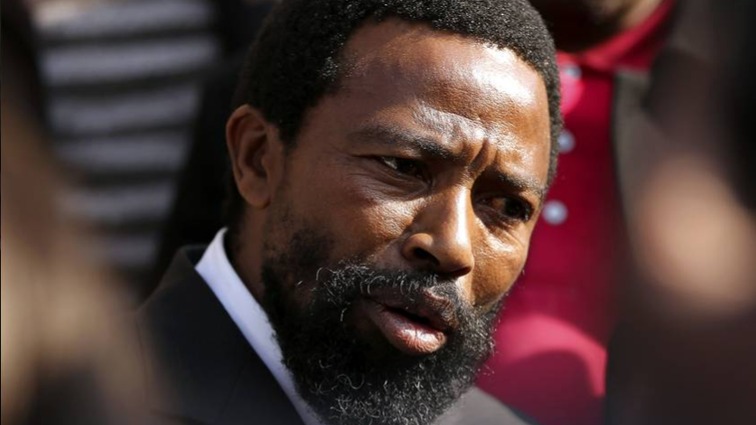
AbaThembu Royal Council Probes Alleged ‘Nigerian King’ Coronation
Eastern Cape – The AbaThembu Royal Council has launched an investigation into reports that a Nigerian national was allegedly crowned as a king in East London, sparking controversy and strong reactions from traditional leaders and government officials.
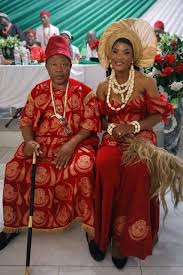
The issue surfaced after videos began circulating on social media showing a ceremony where an individual was referred to as “Igwe Ndigbo Na East London.” The footage quickly drew attention and raised questions about the legitimacy of the event.
The AbaThembu Royal House, led by King Buyelekhaya Dalindyebo, has firmly distanced itself from the ceremony, denying any involvement or endorsement. Officials described claims that the king supported or recognised the coronation as false and misleading.
Senior royal advisor Advocate Matthew Mpahlwa said the council is treating the matter seriously and plans to formally engage the Nigerian Consulate for clarity. He stressed that no individual can claim traditional leadership status in a community without historical or cultural ties to the land.
The controversy has also drawn political attention. The African Transformation Movement (ATM) has condemned the alleged coronation, warning that such actions could undermine legitimate traditional leadership structures and the rule of law.
Meanwhile, Cooperative Governance and Traditional Affairs Minister Velenkosini Hlabisa criticised the reports, saying they appear to be based largely on unverified social media content. However, he emphasised that any attempt to establish kingship outside legal and cultural frameworks would be unacceptable and could undermine South Africa’s sovereignty.
Authorities have indicated that diplomatic channels may be used to address the matter, with government departments engaging relevant Nigerian officials to determine the facts.
As investigations continue, the incident has ignited a broader debate about cultural identity, traditional authority, and the spread of misinformation on social media—issues that remain highly sensitive in South Africa’s diverse society.