
 By localnew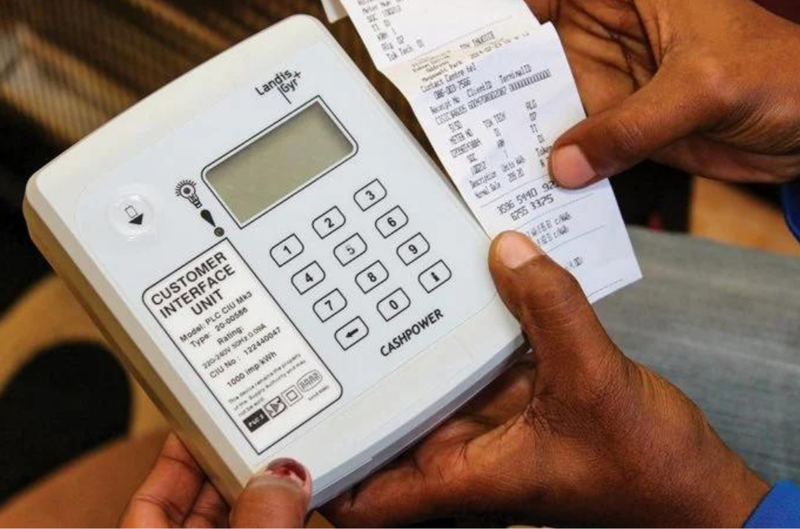
South Africans Face Higher Electricity Bills After Regulator Approves Tariff Increase
South Africans are bracing for an increase in electricity costs after the National Energy Regulator of South Africa (NERSA) approved another rise in power tariffs that will take effect in the coming months.
The adjusted tariffs mean higher electricity bills for households and businesses nationwide — a development that comes as citizens are already struggling with the rising cost of living and other expenses such as fuel and food. Many households will now have to adjust their budgets to cope with the increase.
Energy analysts say the tariff rise was necessary to ensure that the national power supplier, Eskom, can continue to maintain the electricity grid and meet demand without jeopardising service delivery. They warn that without higher tariffs, Eskom may face difficulties covering the costs of generating and distributing power.
Last week, NERSA announced that electricity prices would rise by approximately 8.76 % for Eskom’s direct customers and about 9.01 % for those buying power through municipalities. These increases are set to be implemented in stages over the next fiscal year, affecting household and commercial bills alike.
Consumer groups and civil society organisations have expressed concerns that the higher tariffs will put additional pressure on already stretched household budgets, especially for low‑income families who spend a larger proportion of their income on essential services. Many fear that the increases will contribute to rising living costs and further economic hardship.
The power price increases form part of a broader trend over several years, during which electricity costs have climbed significantly — often outpacing inflation — as Eskom works to stabilise the grid and address its financial challenges.
As the public prepares for the new billing cycle, experts continue to emphasise the importance of energy efficiency, responsible electricity usage and, where possible, investment in alternative energy sources such as rooftop solar to help mitigate the impact of higher utility costs.
South Africans are now adjusting to this latest rise in electricity charges as part of the ongoing challenges in managing household and business budgets in 2026.