
 By localnew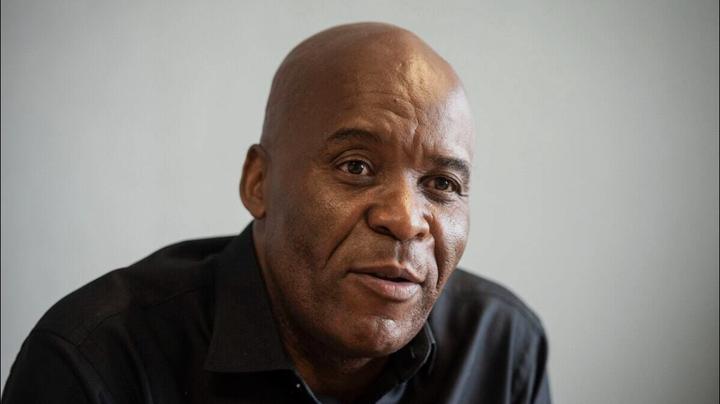
Tshwane Deputy Mayor Faces Scrutiny Over R3m‑a‑Month Security Contract.
Controversy has erupted in the City of Tshwane after reports revealed that a security company with historical ties to the city’s Deputy Mayor, Eugene “Bonzo” Modise, has been receiving around R3 million per month from municipal payments, raising questions about conflicts of interest and financial transparency.
According to a forensic report tabled in council, Triotic Protection Services — a security firm originally founded by Modise — has been one of the metro’s largest security service providers, offering guarding services at more than 20 municipal facilities and generating about R3 million in monthly billings from the city.
Modise, a prominent ANC regional leader and Tshwane’s deputy mayor since 2024, resigned as a director of the company in 2023 when he became a councillor, and insists he sold the business before taking office. However, investigators found that he has not produced documentation proving the sale, and that he may still benefit financially — including through rental income from property leased to the company.
The forensic investigation, conducted by legal firm Ncube Incorporated, recommended that disciplinary proceedings be considered over Modise’s failure to disclose his ongoing interests and the financial arrangements linked to the firm, though it did not find evidence that he exerted undue influence in how the contract was awarded.
Council sources told reporters that a special committee appointed to review the matter failed to elect a chairperson amid disagreement among members, stalling progress on deciding how to address the findings. Debate continues over whether an external chair should lead the committee to ensure impartiality.
Tshwane’s mayoral office confirmed the probe is underway, with officials emphasising that payments made to Triotic were based on verified services rendered, though not on a fixed monthly amount, and were in line with existing arrangements pending a new procurement process.
Opposition parties, including the DA, have called for further accountability measures, and say the matter should also be referred to the Public Protector to investigate potential ethical breaches and conflicts of interest surrounding the lucrative contract.
The issue has reignited broader debates about governance, transparency and procurement practices in local government, especially as taxpayers and watchdogs press for stricter controls to prevent misuse of public funds.